
How Can I find custom shelving options for my Ford Ranger?
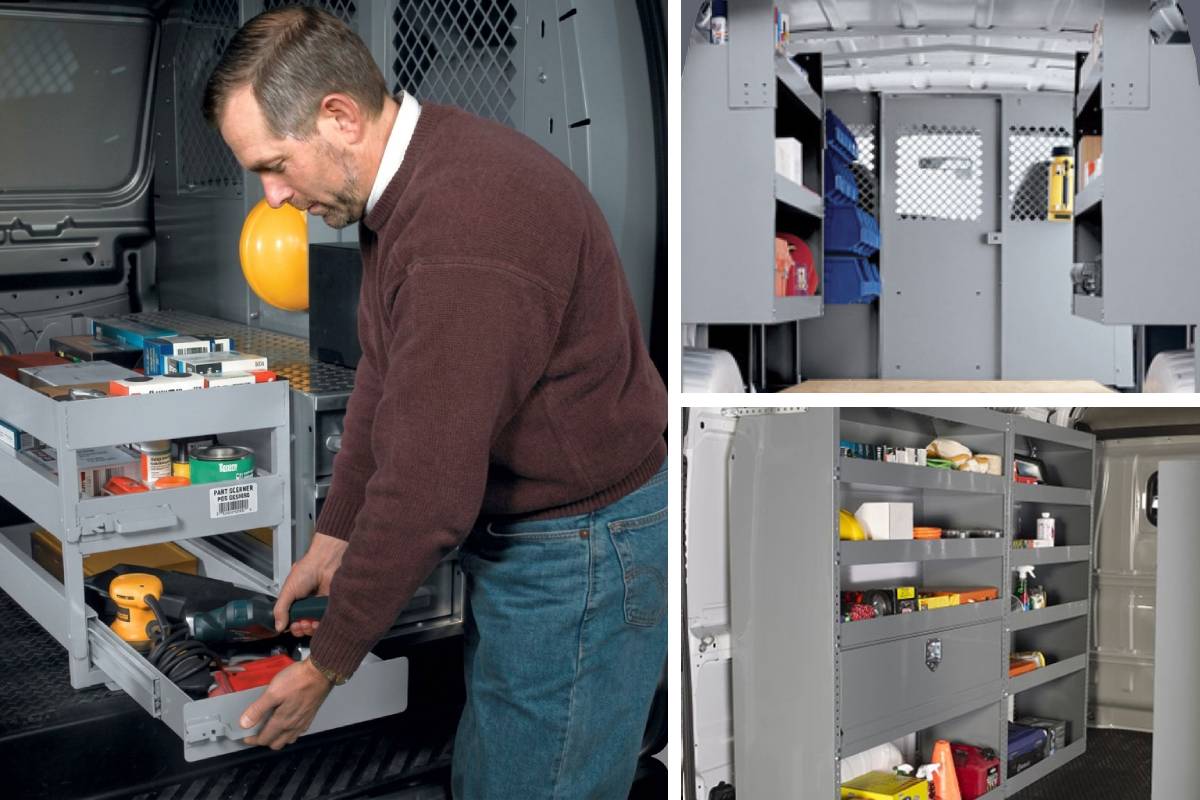
We've all been there: you drop your tailgate after a rough drive, only to discover your groceries and tools have merged into one giant, sliding pile. Can you locate your jumper cables in under 30 seconds? Finding the right ford ranger shelves is about reclaiming your truck's true carrying potential rather than simply hiding a mess.
Think of your truck bed like a home kitchen, without cabinets, everything just stacks chaotically on the floor. By prioritizing vertical space utilization, you effectively add a second story to your vehicle. In practice, maximizing vertical space in a vehicle canopy or open bed doubles your usable cargo volume while keeping the floor clear for larger items like coolers or heavy materials.
Beyond daily convenience, preventing cargo migration is actually a critical safety measure. According to standard fleet safety guidelines, loose gear quickly transforms into dangerous projectiles during sudden stops or evasive maneuvers. It might be time to rethink your ranger interior storage if you regularly notice these three warning signs:
- Searching for basic tools or equipment takes well over 30 seconds.
- Hearing heavy gear loudly banging against the metal sidewalls in transit.
- Finding fragile daily items completely crushed under heavier, shifting cargo.
How Internal Cab Storage Solves the 'Small Item' Scramble
Digging blindly for a flashlight while gear rolls freely around the floorboards is a quick way to lose important items right when you need them. Smart ranger interior storage starts by prioritizing your emergency and high-frequency gear in the dead space right under your nose. The area beneath the Ranger’s rear bench seat, for example, is the perfect hiding spot for molded under-seat bins to stash jumper cables or an umbrella out of sight but instantly accessible.
When those lower compartments fill up, upgrading your seat-backs offers a brilliant alternative to overstuffing center console inserts. This is where MOLLE panels—essentially rigid, grid-style panels for clipping and strapping gear—become game-changing ford ranger accessories. Instead of burying a tire deflator at the bottom of a deep console bin, a seat-back system acts like a vertical pegboard, keeping small tools visible and secure.
Securing these small essentials inside the cab ensures they are safe from the elements and ready at a moment's notice. While modular racking systems for dual cab pickups handle the heavy, bulky loads outside, mastering your interior layout keeps the driver's seat clutter-free. Once your personal gear is sorted up front, it is time to look out back and start maximizing the canopy: why vertical shelving is your best cargo asset.
Maximizing the Canopy: Why Vertical Shelving is Your Best Cargo Asset
Leaving the cab behind reveals a massive, empty box out back. Without custom ute canopy storage solutions, gear simply piles on the floor. Installing a single mid-level shelf spanning half the bed instantly increases your usable surface area by 50%, letting you stack items safely without crushing your softer gear.
Smart weight distribution is essential when packing upwards. The golden rule of maximizing vertical space in a vehicle canopy is keeping heavy items—like deep-cycle batteries—anchored low. Stashing lightweight camp chairs or duffel bags on upper shelves maintains a low center of gravity, preventing top-heaviness and keeping your truck stable around tight corners.
Accessing this equipment depends on the hardware you install. Slide-out units pull heavy coolers directly over the tailgate to save your back, while standard fixed trays act as simple overhead cubbies. When evaluating custom shelving units, consider your future flexibility:
- Fixed Shelving Heights: Deliver rigid, permanent storage ideal for unchanging, heavy-duty workloads.
- Adjustable Modular Systems: Utilize slotted increments to raise or lower brackets by mere millimeters, letting you easily adapt your layout when you buy a taller portable fridge.
A thoughtfully organized setup noticeably upgrades how your truck handles daily errands and weekend trails. With the structural layout mapped out, the next critical step is selecting materials—leading straight into choosing your muscle: why aluminum racks often beat steel for weekend adventurers.
Choosing Your Muscle: Why Aluminum Racks Often Beat Steel for Weekend Adventurers
Deciding between materials comes down to whether your truck is built for the job site or campsite. While steel is traditional muscle for 'Trade' vehicles, comparing lightweight aluminum versus steel cargo racks reveals a massive advantage for 'Touring' setups. Every kilogram bolted into your canopy adds to your sprung weight—the mass supported by your suspension. Unlike unsprung weight (like heavy tires) that mostly impacts handling, adding heavy steel sprung weight to the bed rapidly eats into your legal payload capacity.
Beyond the scales, your driving environment dictates how these materials survive. Powder-coated steel offers great protection, but a single scratch from a shifting toolbox quickly invites rust. Alternatively, aluminum naturally possesses high oxidation resistance. If you frequent coastal salt-air environments, choosing aluminum prevents the creeping corrosion that inevitably flakes paint off steel. This chemical advantage means your ford ranger shelves will look professional and last significantly longer without requiring constant touch-ups.
Your chosen metal ultimately sets the foundation for any heavy duty canopy shelving installation guide. After selecting the ideal material for your payload limits and climate, the next challenge is attaching it safely. How you secure these systems dictates more than cargo stability; it directly impacts your vehicle's future, leading straight into evaluating no-drill versus permanent mounts and protecting your Ranger's resale value.
No-Drill vs. Permanent Mounts: Protecting Your Ranger's Resale Value
Permanent modifications are a heavy commitment when you want to protect your Ranger's resale value. Fortunately, modern setups utilize factory tie-down rails perfect for no-drill mounting brackets for truck beds. These systems rely on "clamp-load"—squeezing the rail tightly to grip the vehicle—rather than "shear strength," which requires driving a physical bolt through sheet metal to stop movement. While bolted mounts offer absolute strength for extreme, high-vibration off-roading, clamp setups easily handle daily driving and weekend camping without risking cracked bed-liners.
Your weekend organization project doesn't require a professional workshop. Installing a diy 4x4 drawer system assembly using these existing factory points takes only basic hand tools. To guarantee a secure, damage-free fit:
- Clean the rail channel thoroughly to prevent trapped dirt from scratching the paint.
- Slide the mounting hardware loosely into the designated track.
- Tighten the brackets evenly to maximize clamp-load without warping the surrounding metal.
With the main frame secured, loading removable storage bins for off-road utility becomes incredibly simple. Because this installation method protects the vehicle's structural integrity, your investment retains its full worth when trade-in day arrives. Of course, a secure mount is just the foundation, which brings us to The Heavy Lift: How Internal Racking Affects Your Payload and Safety.
Every accessory you add subtracts from your Ranger's Gross Vehicle Mass (GVM)—the absolute maximum your fully loaded truck can legally weigh. When owners ask, "will internal racking affect vehicle payload capacity," the answer is always yes. Even lightweight aluminum systems eat into this limit, so you must carefully calculate the combined weight of your new shelves and the cargo they hold.
Positioning that gear correctly is crucial for maintaining safe steering and braking. When optimizing weight distribution for rear storage, follow the simple 60/40 rule: keep 60% of your cargo weight ahead of the rear axle and 40% behind it. Heavy items like full coolers or loaded toolboxes should always sit low on the floor and close to the cab.
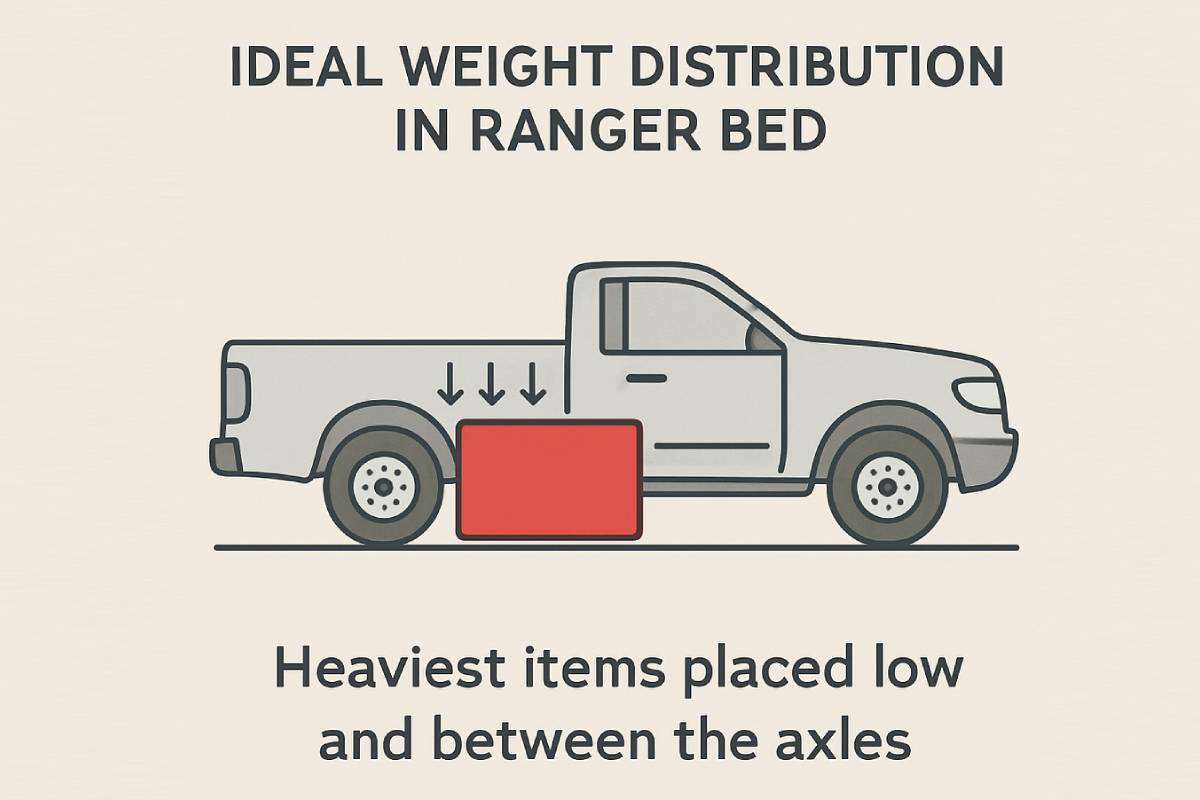
Ignoring these physical boundaries immediately impacts your vehicle's suspension. If your truck's nose points upward while the tailgate sags dangerously toward the pavement, the rear is overloaded. Consulting a reputable heavy duty canopy shelving installation guide helps you strategically secure heavy brackets near structural supports to prevent this unpredictable squat.
Balancing your payload ensures the truck remains stable during sudden stops or rough weekend trail rides. Now that your foundational safety is established, it is time to move on to the practical fun: Designing Your Layout: 3 Ways to Organize Trade Tools and Camping Gear.
Designing Your Layout: 3 Ways to Organize Trade Tools and Camping Gear
You already know your truck’s primary job, but success requires smart layout planning. When figuring out how to organize a truck bed for camping or weekend projects, the secret is "frequency-of-use zoning." This means placing critical items—like recovery gear or first-aid kits—right by the tailgate so you never have to unload the entire truck just to reach them in a pinch.
Committing to a bolted-in system isn't always practical for a daily driver. The best internal shelving for adventure touring utilizes modular brackets that let you remove the entire rack in under 10 minutes. This flexibility means your heavy-duty trail rig can instantly transform back into an open bed for bulky weekend grocery runs.
Wasted space is your biggest enemy, particularly when organizing trade tools in a service body. To prevent useless "dead air" between racks, you must implement modular bin sizing. Matching your plastic storage totes precisely to your shelf clearances ensures a snug, rattle-free fit. Consider these recommended storage bin dimensions for standard Ford Ranger shelving widths:
- 150mm height: Best for small hand tools and fasteners
- 250mm height: Ideal for camping stoves and air compressors
- 400mm height: Perfect for bulky safety gear or sleeping bags
Mastering these functional zones and dimensions completely eliminates cargo chaos. With your gear finally protected and accessible, you are ready to execute your organization plan.
Your 3-Step Plan to a Perfectly Organized Ford Ranger
By adding ford ranger shelves, you transform a chaotic floor space into an efficient, two-story storage system that guarantees gear protection and crucial time saved on every trip.
Establish your setup with this simple progression:
- Measure: Check your specific bed dimensions and under-tonneau clearance.
- Choose Material: Select lightweight aluminum for travel or heavy steel for work.
- Install: Lock in your custom shelving units, ideally using simple no-drill mounts.
To keep these new accessories performing perfectly, schedule periodic gear audits to clear out unnecessary clutter. Most importantly, double-check your bolt tightness after your first 500km of driving. A well-organized Ranger isn't just about carrying more cargo; it's about making every single journey effortlessly efficient.
FAQs
1 - What storage accessories does American Van carry for the Ford Ranger?
American Van carries ratchet tie-downs, hitch vise mounts, cargo anchors, truck ladder stop anchors, and locking storage options .
2 - Are American Van's ladder racks compatible with the Ford Ranger?
Yes. American Van's pickup truck ladder racks are compatible with most trucks, including the Ford Ranger, Dodge Dakota, Nissan Titan, and more.