
Cargo Carriers and Roof Racks
Whether you are a local service contractor carrying tools to a job site or an expanding e-commerce brand distributing products nationwide, the physical movement of goods is the lifeblood of your business. Transporting materials safely, efficiently, and cost-effectively requires the right tools and the right partners.
Navigating the logistics landscape can be complex. You have to consider everything from outfitting your local fleet with the proper gear to negotiating with global transport entities. In this comprehensive guide, we will explore the entire spectrum of moving goods—starting from the hardware on your commercial vehicles to managing large-scale freight networks.
The Foundation of Local Cargo Transport: Roof Racks and Carrier Equipment
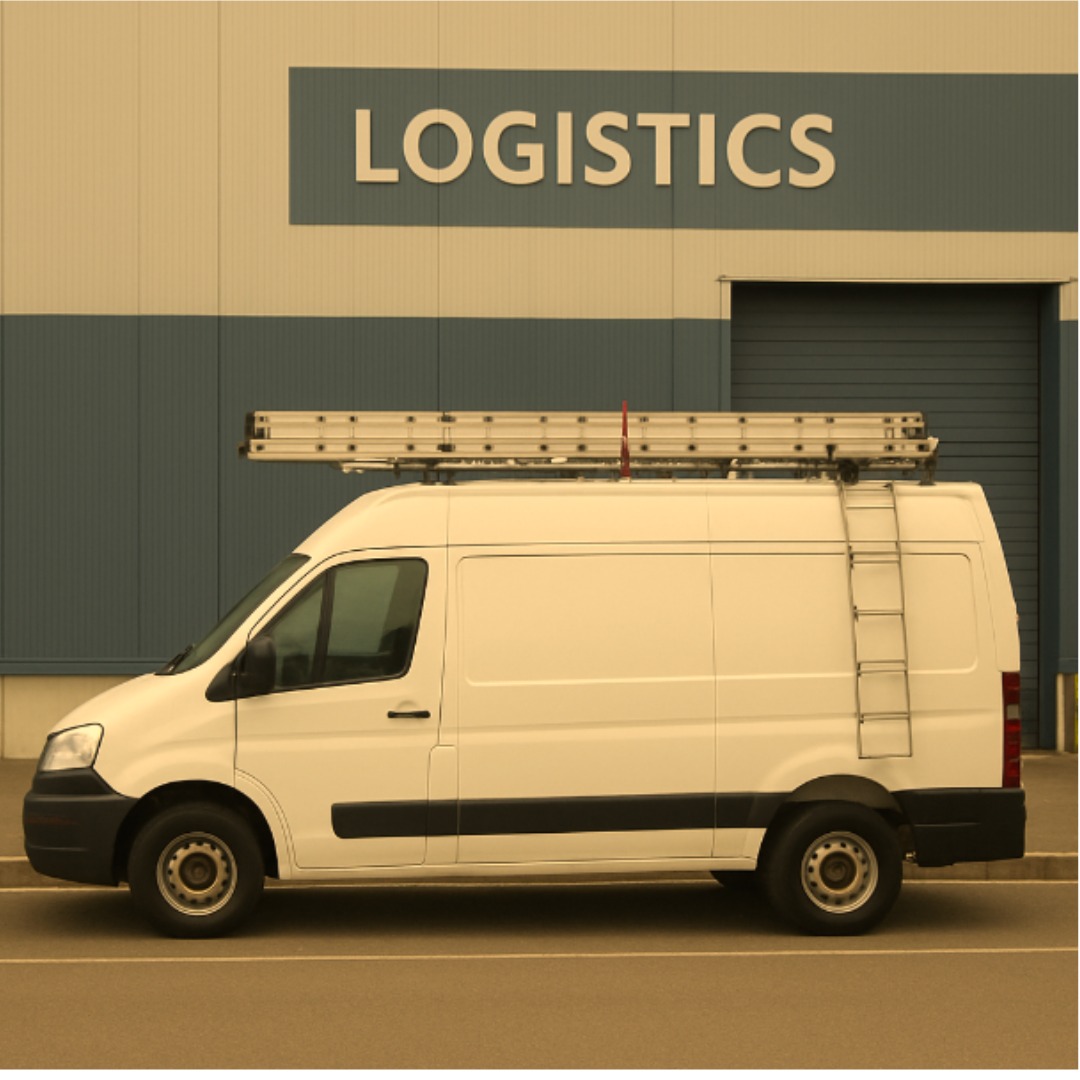
For contractors, electricians, and plumbers, local logistics begins right in the driveway. Maximizing the storage capacity of your work vehicle is essential for daily efficiency. If your business relies on a fleet of commercial vans, interior space is at a premium, making exterior storage solutions a necessity.
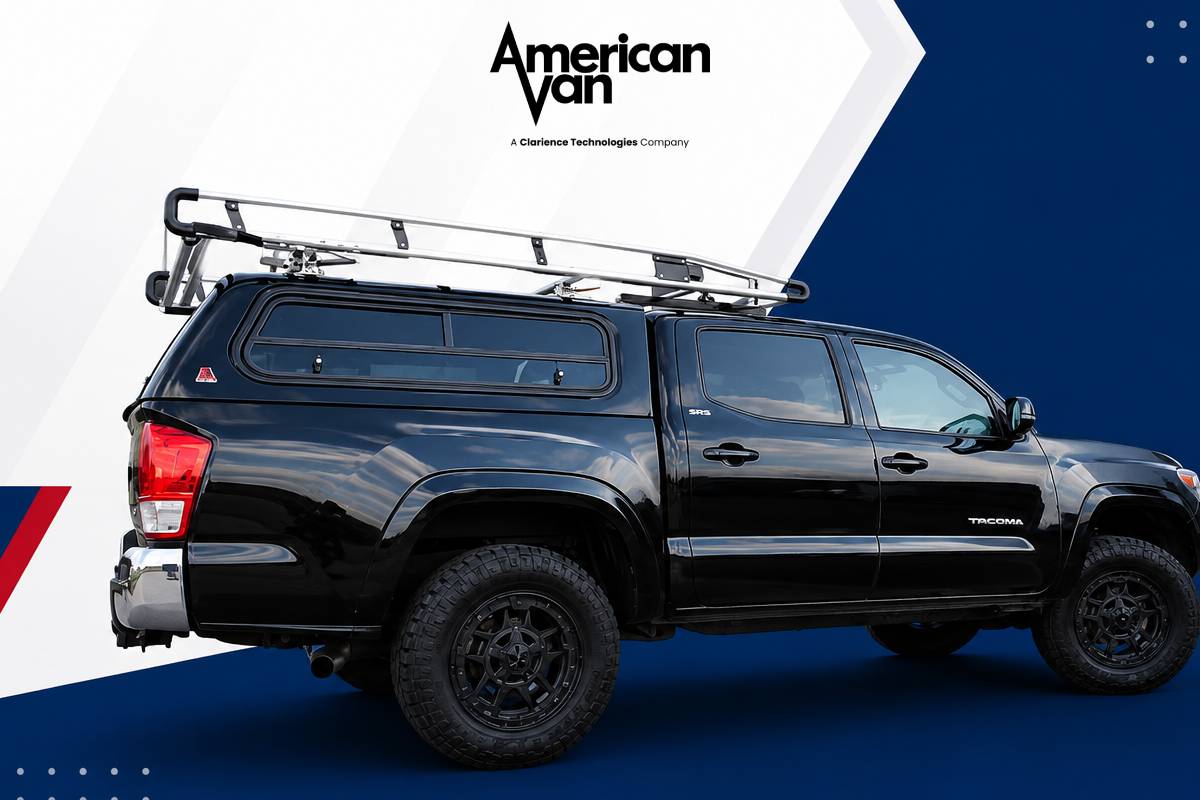
Investing in a high-quality cargo roof rack instantly multiplies your vehicle's carrying capacity. These racks allow you to transport oversized materials—like lumber, conduit, and piping—safely outside the cabin. For those who frequently work at heights, a dedicated van ladder rack van ladder rack is indispensable. A well-designed drop-down rack prevents work-related injuries by allowing workers to load and unload heavy ladders without straining their backs.
When upgrading your fleet, you will likely encounter various configurations, including the versatile cargo carriers ladder rack, which blends general cargo space with specific ladder tie-downs. Brands that focus on durability often dominate this space. For example, installing heavy-duty American van cargo carriers ensures your gear can withstand harsh weather and daily abuse. Similarly, when reviewing different American van ladder rack equipment, look for rust-resistant aluminum builds and ergonomic drop-down mechanisms to keep your crews safe and efficient on local routes.
Scaling Up: Transitioning to Large-Scale Freight Services
As your business grows beyond local service calls and deliveries, relying on your own fleet becomes impractical. This is where you transition into the broader world of cargo transport and commercial logistics.
Large-scale freight transport is a highly choreographed industry designed to move massive volumes of goods across the country or around the world. Whether you are importing raw materials or distributing finished products, partnering with professional freight carriers is the most cost-effective way to scale operations.
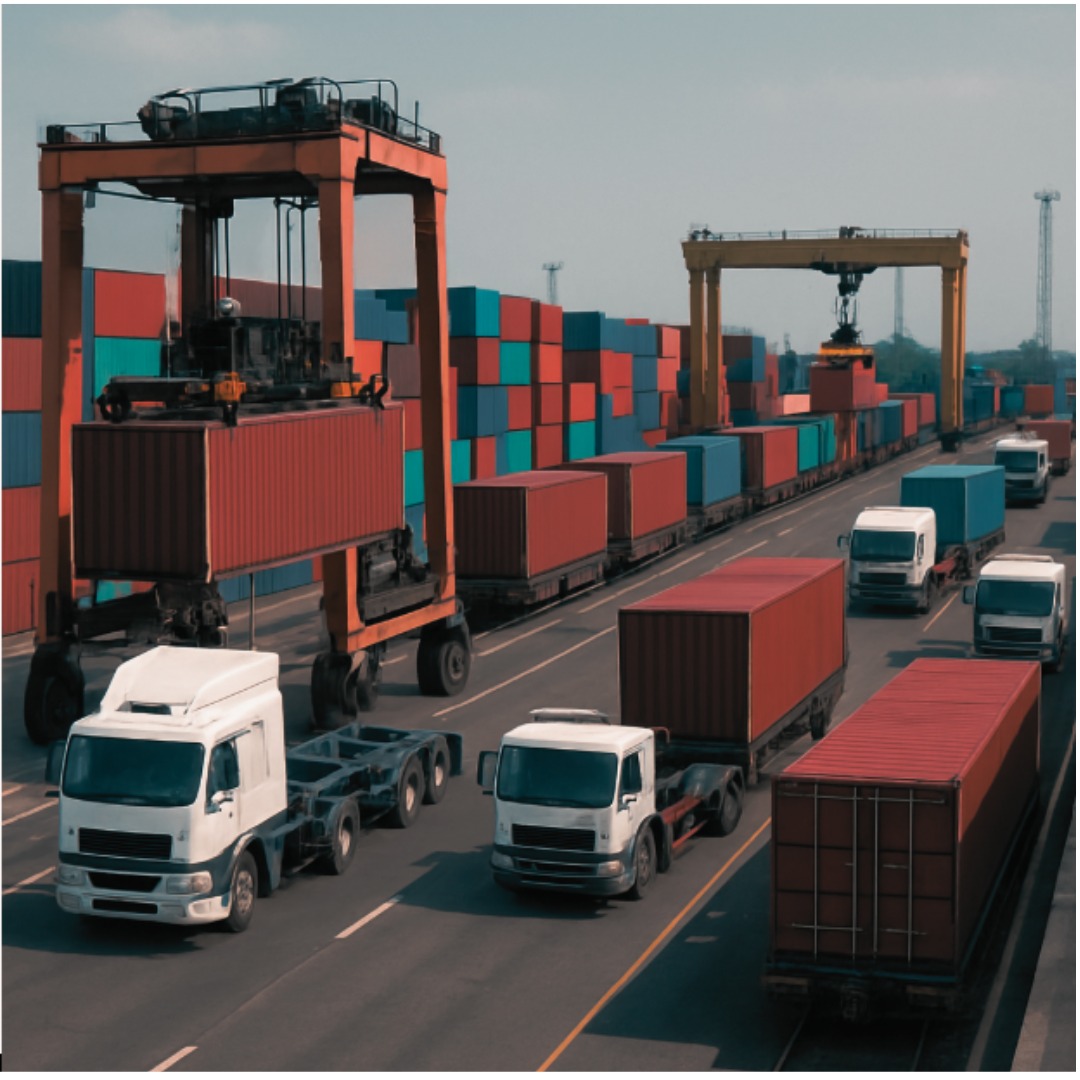
To master this transition, it helps to understand the physical building blocks of global trade. Most international and long-haul freight moves in standard containers. Familiarizing yourself with standard shipping container sizes—most commonly the 20-foot (TEU) and 40-foot (FEU) containers—allows you to calculate how much product you can move per shipment.
Furthermore, optimizing these shipments often involves intermodal transport efficiency. Intermodal shipping utilizes multiple modes of transportation—such as moving a container from a cargo ship, directly onto a rail car, and finally onto a local truck—without ever unloading the freight itself. This method significantly reduces fuel costs and lowers your company's carbon footprint.
Decoding Shipping Models and Logistics Strategies
Entering the world of commercial freight services means learning a new language of acronyms and shipping models. Making the right choices here is critical for reducing shipping costs for small businesses.
LTL vs FTL: Which is Right for You?
One of the first decisions you will make is choosing between Less-Than-Truckload (LTL) and Full-Truckload (FTL). Understanding the LTL vs FTL shipping differences is vital:
- LTL (Less-Than-Truckload): Ideal for shipments that don't require an entire 53-foot trailer. You share trailer space—and the cost—with other businesses.
- FTL (Full-Truckload): Best for high-volume shipments or delicate, high-value goods that require a dedicated truck. It is typically faster because there are no stops to drop off other companies' freight.
When shipping LTL, understanding freight class and density becomes crucial. The National Motor Freight Traffic Association (NMFTA) categorizes products into 18 different classes based on density, handling, stowability, and liability. A dense, hard-to-damage pallet of bricks will ship at a much lower, cheaper class than a lightweight, fragile pallet of assembled lampshades.
Asset-Based vs. Non-Asset Shipping
As you build your supply chain, you will encounter the debate of asset-based vs non-asset shipping. Asset-based carriers actually own the trucks, trailers, and warehouses handling your goods. Non-asset-based providers (like freight brokers) do not own the equipment; instead, they use their vast networks to negotiate rates and match your freight with available independent trucks. Both offer unique shipping solutions, but non-asset providers generally offer more flexibility during capacity shortages.
Leveraging 3PLs
Many growing businesses eventually realize they don't have the internal bandwidth to manage complex supply chains. Here, the third-party logistics provider benefits become undeniable. A 3PL takes over the warehousing, packing, and routing of your goods, offering end-to-end logistics services so you can focus on product development and sales.

Partnering with the Right Transport Companies
Your logistics network is only as strong as the transport companies you hire. Handing over thousands of dollars worth of inventory requires immense trust, making the selection process incredibly important.
If you are wondering how to choose a reliable trucking company, start by looking beyond just the cheapest rate. Reliability, communication, and safety should be your top priorities. When vetting a new logistics partner, always ask about their safety records.
A great starting point is understanding what is a DOT safety rating. Issued by the Department of Transportation, this rating (Satisfactory, Conditional, or Unsatisfactory) reflects a carrier's compliance with safety regulations, driver hours-of-service rules, and vehicle maintenance. Partnering with a carrier that holds a "Satisfactory" rating ensures your cargo is in the hands of professionals who prioritize road safety.
Essential Documentation and Insurance for Cargo Shipping
The administrative side of cargo shipping can seem tedious, but it is the legal glue that holds the supply chain together. Proper documentation prevents disputes, ensures accurate billing, and protects your assets.
Every piece of freight that moves requires a Bill of Lading (BOL). Think of this as the receipt and contract for your shipment. A quick bill of lading documentation guide includes ensuring you have accurately listed the shipper and receiver addresses, a precise description of the goods, the correct freight class, and the exact weight. Errors on the BOL are one of the most common reasons for unexpected billing adjustments.
Equally important are the liability and cargo insurance requirements. By law, all carriers carry a basic level of liability insurance, but this is often calculated by the pound and may only cover a fraction of your product's actual retail value. To fully protect your financial interests, especially when shipping high-value electronics or fragile goods, purchasing supplemental freight insurance is highly recommended.
Essential Documentation and Insurance for Cargo Shipping
Even with perfect planning, the logistics industry is subject to the unpredictable forces of the real world. Recognizing the common causes of cargo transit delays—which include severe weather events, traffic congestion, driver shortages, and port backlogs—allows you to build buffer time into your supply chain.
The Power of Visibility
To mitigate the stress of delays, modern businesses rely heavily on technology. Utilizing platforms that offer real-time cargo tracking features provides invaluable peace of mind. Instead of calling a dispatcher to find a lost truck, you can log into a dashboard and see your freight’s GPS coordinates live. This visibility allows you to proactively communicate with your own customers if a delay occurs.
Mastering the Final Mile
Finally, the most expensive and complex leg of any shipment is the end of the journey. Last mile delivery logistics refers to the final step where the product moves from a local distribution hub to the consumer's front door. Unlike long-haul freight, which moves easily on highways, last-mile delivery involves navigating congested residential streets, dealing with incorrect addresses, and ensuring porch security. Excelling in this final stage is what separates good brands from great ones, as it is the only part of the supply chain your customer actually experiences face-to-face.
Conclusion
Whether you are organizing a small fleet of commercial vans equipped with durable roof racks or coordinating international shipments with massive freight carriers, efficient transport requires strategic planning. By understanding the nuances of LTL freight, prioritizing DOT safety ratings, maintaining proper documentation, and utilizing real-time tracking, you can transform your logistics operations from a cost center into a competitive advantage. Choose your partners wisely, invest in the right equipment, and keep your business moving forward.