
DIY Upfitting Tips for Small Fleet Owners: How to Maximize Efficiency and Save Costs
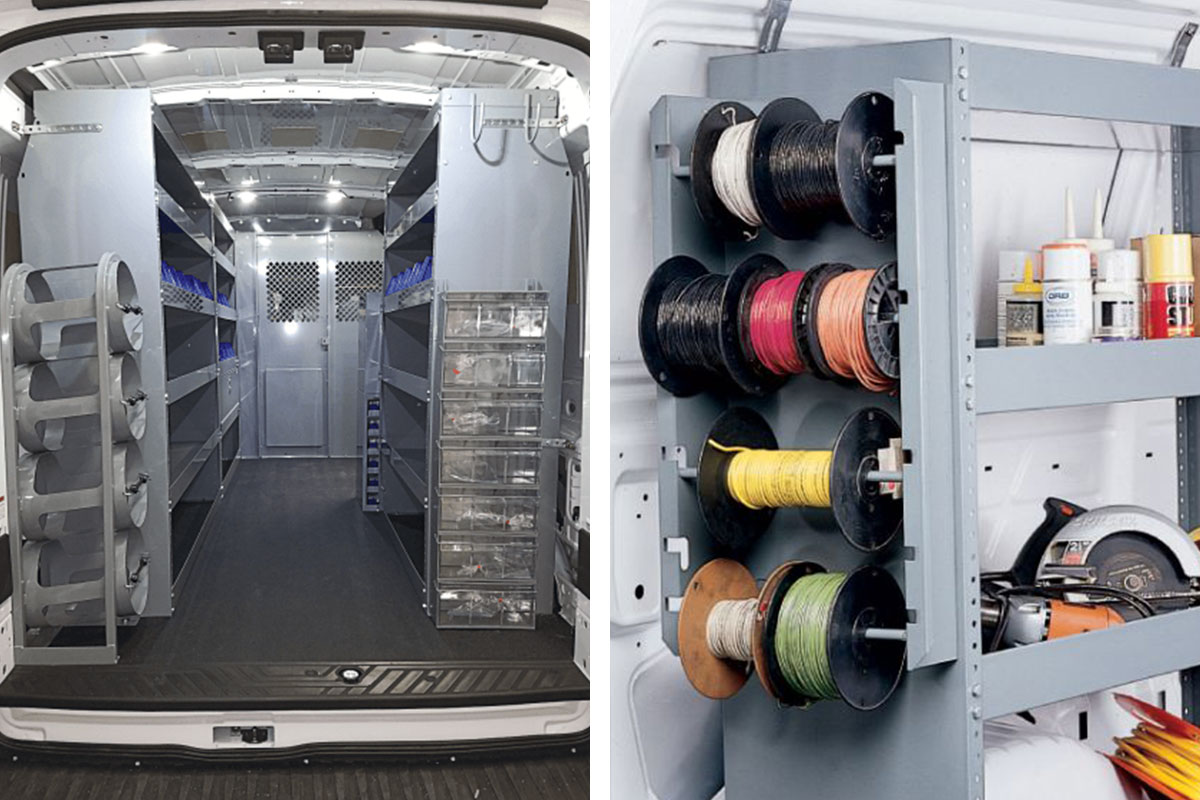
For small fleet owners, their vans are more than a command center. But juggling tight schedules, handling fuel costs, or constantly hunting for lost tools can make it more daunting than it needs to be.
This is where you need to rethink your setup, so it delivers you the results and maximizes the efficiency without raising the cost.
With thoughtful planning and a few smart upgrades, any work van or service vehicle can feel more efficient, organized, and easier to operate without hiring a custom installer.
In this guide, explore the DIY upfitting tips for small fleet that come in handy, with doable upfitting steps to apply yourself.
How to DIY Upfitting for Small Fleet Owners to Boost Their Efficiency
When you are DIYing the process, consider these tips that can help you to ensure your van stays ready for the job.
1. Plan It Out First, Don't Skip This
Before buying a single accessory, step back and understand how each vehicle is being used today. Also, don't skip the part, as you might end up with shelves that you don't need or layouts that don't match your workflows.
Get yourself a simple layout or measure your cargo area. The goal is to find clarity in what type of interior you want to build that actually works.
To make this step easy, use the Shop by Vehicle tool by American Van. Here you just have to choose your van model ( like Ford Transit, Mercedes Sprinter, RAM ProMaster, or NV200), and get a list of products that fit perfectly.
Start with questions like :
- What tools do you reach for most?
- Which items tend to get lost or buried?
- How much weight do you carry on a daily basis?
- Do you need access from rear doors, side doors, or both?
- Which areas of your van get cramped or underused the most?
Pro Tip: Prioritize your accessibility, especially keep the most used tools within arm’s reach and heavier items on lower van shelves for better safety.
2. Build a Solid Storage Foundation With Shelving
The biggest pain point for small fleet owners is simple. The prime focus is to solve clutter or store tools that roll around materials stacked on top of each other.
It also adds a constant feeling of knowing where your tools are. Here are some popular van shelving styles you might find.
- Steel Shelving: It's strong and ideal for heavier tools
- Aluminium Shelving: The system is light, rust-resistant, and great for mixed trades
- Composite Shelving: Another option for quieter and easier on tools during transit
Pro Tip: Label bins or use clear dividers; it cuts search time dramatically. Also, choose modular systems so you can adjust shelves, bins, or reorganize as your work changes.
3. Install a Partition for Safety & Comfort
A van partition or bulkhead might not seem essential at first, but it can change how your van functions completely.
With a good partition, it can help you :
- Helps in protecting your driver from shifting cargo
- Reduces noise from tools rattling in the back
- Keeps your cab well insulated and easier to cool or heat
- Improves overall safety and comfort
Pro Tip: Choose solid for max insulation, but if you're looking for better airflow and rear visibility, consider perforated options. Also, bolt in place using existing points, and test for rattles after you install.
4. Free Up Your Interior Space With Roof Racks
If you carry ladders, long pipes, or lumber, roof storage is a must. Installing ladder racks and roof storage can keep these items away from eating up your precious space or complicating your layout.
Some of the popular ladder racks or pipe carriers can be much easier to install, as most need bolts and minimal drilling.
Consider styles like :
| Ladder Rack Style | Best For | Advantages |
| Drop Down Ladder Racks | Electricians, HVAC techs, or technicians working solo | Easy to load or unload from ground level |
| Lock Down Ladder Racks | Long drives, high-speed routes, or frequent travel between job sites | Keep ladders firmly secured and stable |
| Side Access Ladder Racks | Compact vans such as NV200, or tight parking spaces | Load and unloading form side without needing rear clearance |
5. Organize Small Parts With Drawers & Cabinets
For fleet owners, handling small components, whether it's screws, fittings, valves, or connectors, can be daunting.
Small part storage drawer units can help in managing these easy-to-lose items into a clear and categorized system.
Also consider these tips :
- Bolt drawer units to your shelves or floors so they don't shift
- Use foam inserts or dividers for tiny parts
- Choose locking drawers to protect your expensive tools or electronics
6. Get Flooring & Liners For Adding Better Durability
To complete your upfitting, make sure you protect the interior of your vehicle. Wall liners can help in keeping panels safe from impact tools or cargo shifting around during transit. Also, flooring prevents slipping when moving inside.
It is especially important to protect factory flooring from any dents and chemicals, which improves the overall durability in the long run.
Pro Tip: Consider custom-cut van flooring kits as they offer the easiest installation with minimal trimming.
Conclusion
With DIY upfitting, it can help in cost saving, but also build a safer, more efficient vehicle that supports your team on every day basis.
However, the process requires clear planning, the right materials, and setup design around your workflow. Even when you're doing everything yourself, choose the right products.
Prioritize the vehicle-specific fit, durability, ease of installation, and flexibility of future adjustments. A high-quality, modular system also gives you more customization options and long-lasting results.
Looking for a trusted brand that can make your fitting a hassle-free process? We at American Van offer you a wide range of vehicle-specific upfitting solutions to get the perfect balance of professional quality and DIY convenience.
From shelving kits to partitions, every product here is designed to be tailored to your trade.