
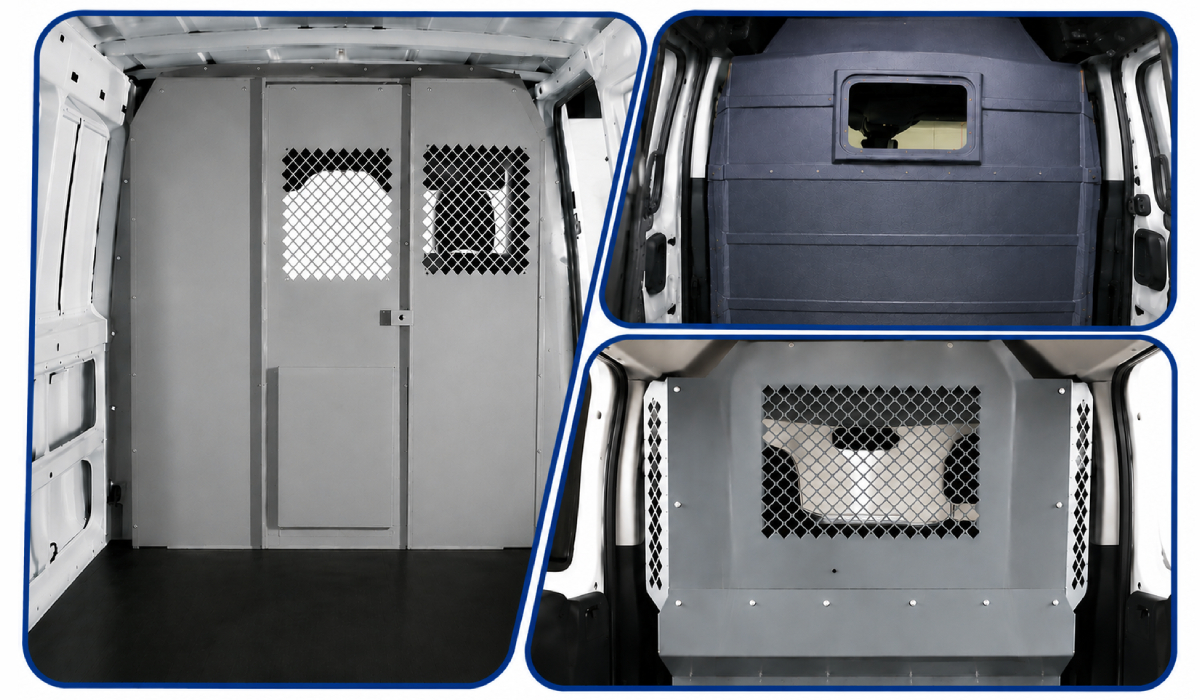
Van Partition Buying Guide: How to Choose the Right Bulkhead for Your Work Van
A van partition — also called a van bulkhead or divider wall — separates the driver cab from the cargo area of a commercial van. For contractors, delivery fleets, service technicians, and mobile work crews, it is one of the most important upgrades you can make for safety, comfort, cargo control, and day-to-day productivity.
If you are comparing van partition options, the right choice should do more than “fit the van.” It should protect the driver from shifting cargo, reduce road and tool noise, help the cab heat and cool faster, secure valuable equipment, and install cleanly in your specific vehicle.
| Buying Factor | What to Look For |
|---|---|
| Driver safety | A strong barrier between the cab and tools, materials, and equipment |
| Material quality | Durable steel or lightweight composite construction, depending on your workload |
| Noise control | Solid or composite panels that help reduce cargo-area rattling and road noise |
| Cargo security | A partition that limits access from the cab and keeps tools contained |
| Vehicle fit | Model-specific options for Ford Transit, RAM ProMaster, Chevy Express, GMC Savana, Mercedes Sprinter, and more |
| Long-term value | A rugged, professional-grade product that holds up under daily commercial use |
American Van Equipment has been helping trade professionals build safer, more efficient work vans since 1978. Our van partitions are designed for real commercial use, with options for different van models, roof heights, access needs, and driver preferences. Instead of a one-size-fits-all divider, you can choose a partition that matches how your crew actually works.
Ready to compare options? Start with American Van’s full Bulkhead Partitions category, or keep reading for a practical buying guide.
Why a Van Partition Is Worth the Investment
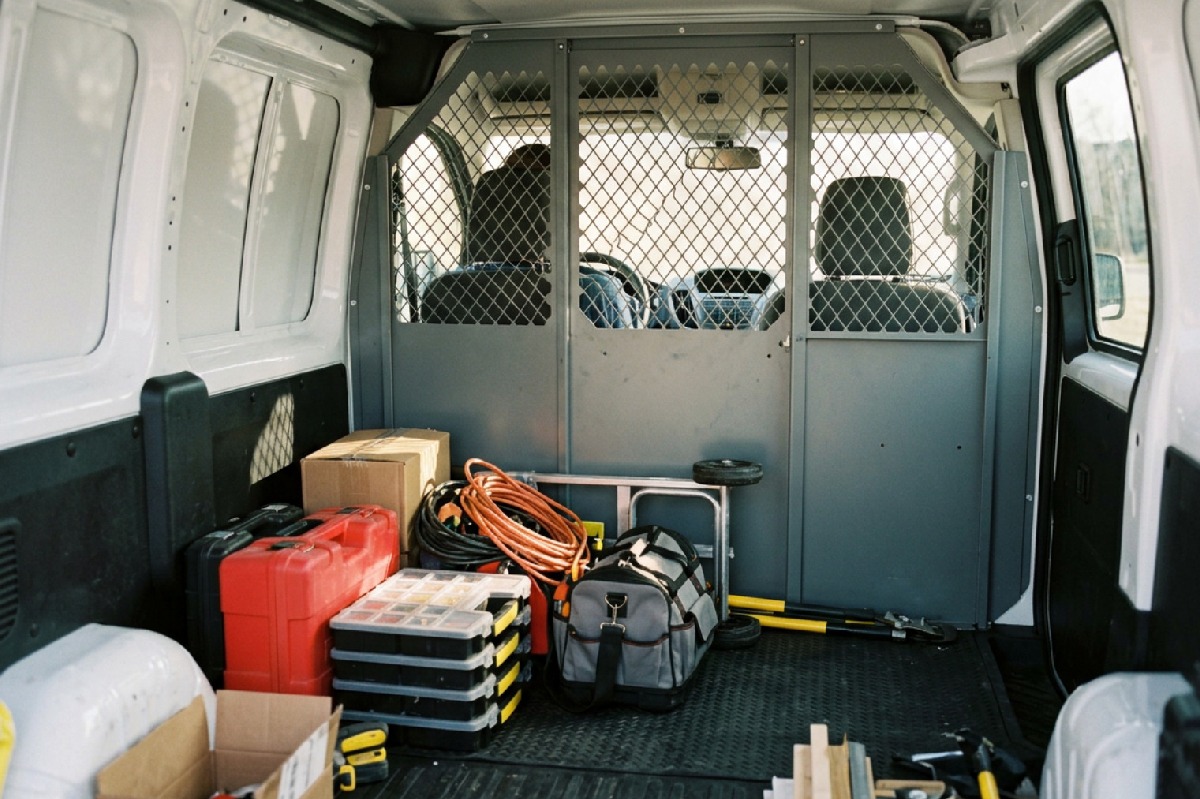
A cargo van is a moving workspace. Every toolbox, pipe, ladder, tote, and loose part in the cargo area moves with the vehicle. During a sudden stop or collision, unsecured cargo can become a serious hazard. A properly fitted van partition creates a physical barrier between the driver and the load.
That safety benefit is the biggest reason many fleet managers install partitions, but it is not the only one.
Common Problems a Van Partition Solves
- Shifting cargo: Tools and materials stay in the cargo area instead of sliding into the cab.
- Cab noise: A partition helps block rattling, vibration, and road noise from shelves, bins, and loose equipment.
- Poor climate control: By separating the cab from the larger cargo area, your heater and air conditioner only need to condition the driver space.
- Tool security: A partition adds another layer of protection between the cab and valuable equipment.
- Unprofessional organization: A partition helps create a cleaner divide between the driving area and the working cargo zone.
For business owners, the value is practical: fewer safety risks, a more comfortable driver experience, and a work vehicle that feels purpose-built rather than improvised. For fleet managers, the same benefits scale across multiple vehicles and crews.
Main Types of Van Partitions: Solid, Windowed, and Composite
The best van partition depends on how your team uses the vehicle. A delivery driver who needs visibility into the cargo area may need a different design than a contractor carrying heavy tools or a fleet manager prioritizing noise reduction.
| Partition Type | Best For | Strengths | Trade-Offs |
|---|---|---|---|
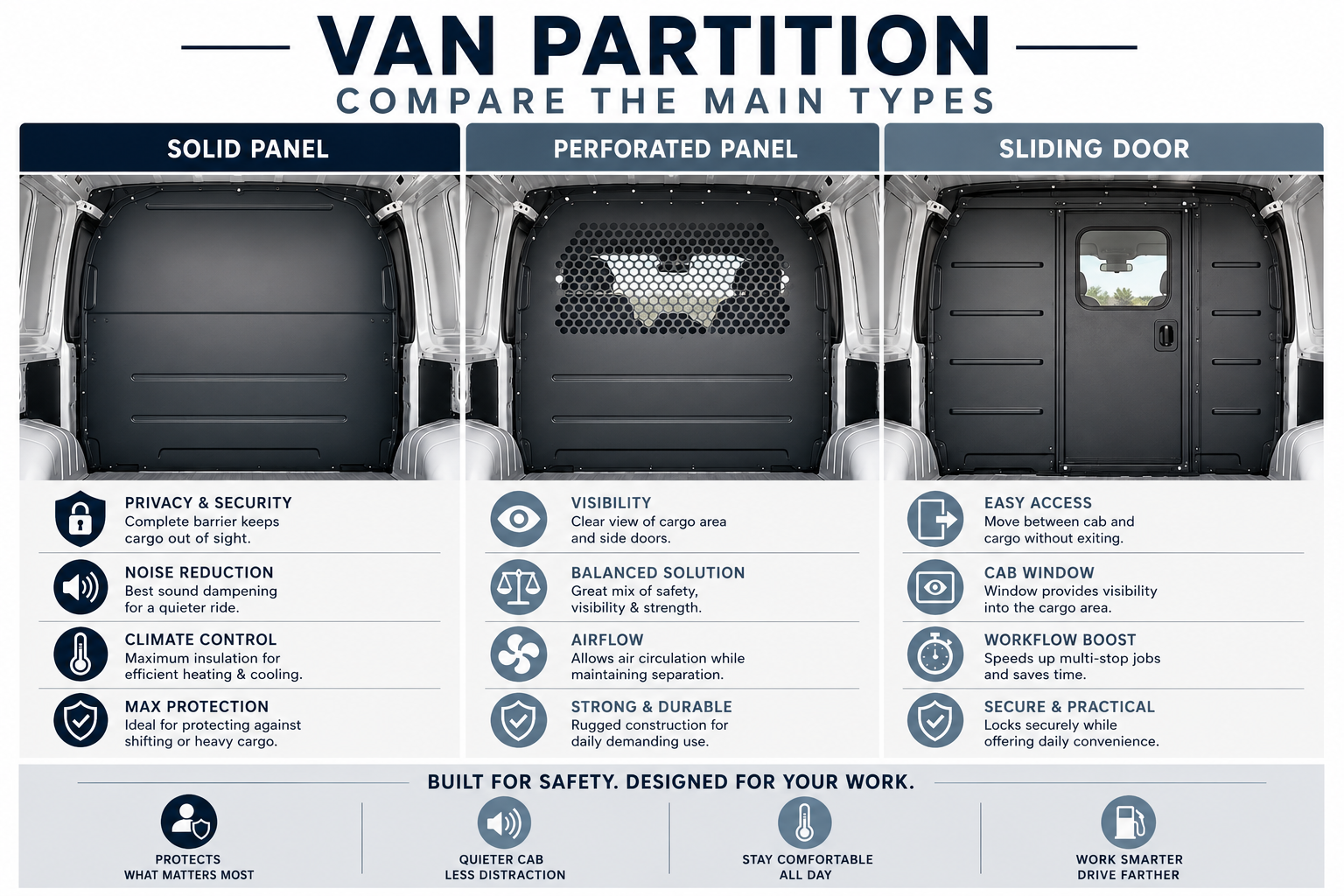
| Solid steel partition | Heavy-duty trades, tool-heavy vans, cargo security | Strong barrier, excellent separation, durable daily-use construction | Blocks rear visibility through the cab mirror |
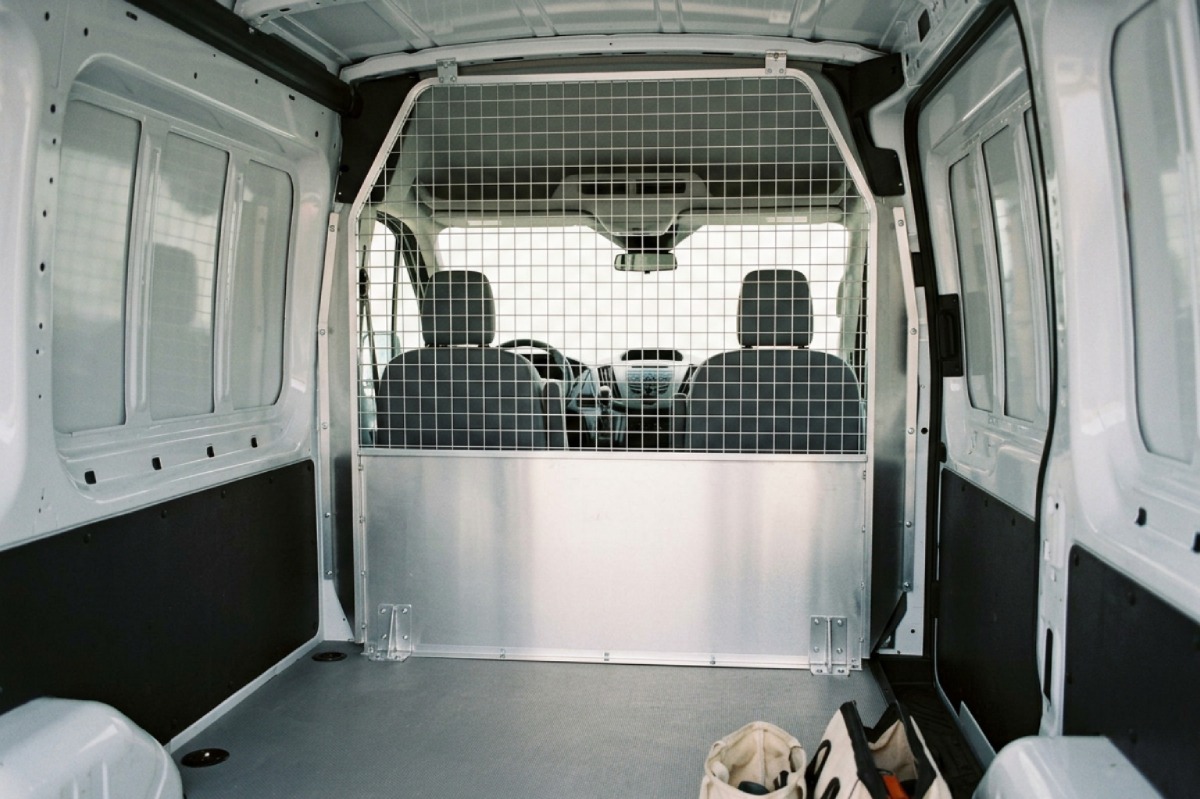
| Windowed or perforated partition | Drivers who want visibility into the cargo area | Balances safety with sightlines and airflow | Less complete noise and climate separation than a solid panel |
| Composite partition | Comfort-focused fleets and drivers who want quieter cabs | Lightweight, quieter, often more contoured for driver comfort | May cost more than basic steel options |
| Sliding-door partition | Multi-stop work, delivery routes, mobile service vans | Lets drivers access cargo from the cab | More moving parts than a fixed panel |
Solid Van Partitions
Solid partitions are a strong choice when driver protection, cargo containment, and climate separation matter most. They are especially useful for contractors carrying heavier tools, parts, and equipment. A solid design can also help reduce distractions by visually separating the cab from a busy cargo area.
Windowed and Perforated Van Partitions
Windowed or perforated partitions are ideal when drivers still want some visibility into the cargo area or rear of the vehicle. They are often a good fit for delivery routes, general service vans, and crews that need a balance of safety and visibility.
Composite Van Partitions
Composite partitions are built for comfort, noise reduction, and weight savings. They can be a smart choice for fleets where driver comfort and long hours on the road are major considerations. If your team complains about noise, heat, cold, or cramped seating, a composite partition may offer better long-term value than the cheapest metal divider.
For more details, explore American Van’s Bulkhead Partitions or vehicle-specific partition options such as Ford Transit Partitions.
American Van vs. Generic, DIY, and Competitor Partition Options
Not every van partition offers the same level of fit, durability, or long-term value. Price matters, but a low upfront cost can become expensive if the partition rattles, fits poorly, limits driver comfort, or needs to be replaced early.
| Option | Pros | Cons | Best Fit |
|---|---|---|---|
| American Van partitions | Commercial-grade quality, vehicle-specific options, steel and composite choices, strong product support, decades of upfit expertise | Higher investment than improvised or bargain options | Contractors, fleets, and service businesses that need dependable daily-use equipment |
| Generic partitions | Usually easy to find and budget-friendly | Fit and finish can vary; may rattle or leave gaps | Light-duty users with basic needs |
| Low-cost brands | Lower upfront price | May compromise material thickness, hardware quality, or long-term durability | Short-term use where budget is the only priority |
| DIY partitions | Customizable and inexpensive if you have materials and labor | Time-consuming, inconsistent safety, no professional fit, may reduce resale value | Hobby or temporary setups, not ideal for professional fleets |
| Leading competitors | May offer broad catalogs and premium options | Product fit, support, and value vary by brand | Buyers comparing specialized upfit suppliers |
Steel vs. Composite: Which Material Should You Choose?
Steel partitions are a dependable choice for heavy commercial work. They are strong, durable, and well-suited for tool-heavy vans. If your vehicle carries ladders, pipe, compressors, toolboxes, or dense inventory, steel is often the practical choice.
Composite partitions are better when driver comfort, reduced noise, and weight savings are top priorities. They can help create a quieter cab and may provide a more finished, OEM-style interior feel.
The best choice depends on your trade, payload, route length, climate, and how often the driver needs to access the cargo area. American Van gives buyers multiple options so they can match the partition to the vehicle and workload rather than settling for a generic divider.
Vehicle Compatibility Matters
A van partition must fit the exact vehicle body and roof height. American Van supports major commercial vans including Ford Transit, RAM ProMaster, Chevy Express, GMC Savana, Mercedes-Benz Sprinter, and compact or mid-size work vans. A vehicle-specific partition helps improve safety, reduce rattling, preserve driver comfort, and simplify installation.
If you operate a mixed fleet, choosing a supplier with broad compatibility can also make future upfits easier to standardize.
How to Choose the Best Van Partition for Your Business
Before buying a van partition, think about how the vehicle is used every day. A partition should support your workflow, not get in the way of it.
Start With the Cargo You Carry
If you haul heavy tools, metal parts, pipe, or boxed inventory, prioritize strength and cargo containment. A solid steel partition is often the best fit. If you carry lighter materials and want more visibility, consider a windowed or perforated design.
Consider Driver Comfort
For long routes or daily service calls, noise and temperature control matter. A solid or composite partition can make the cab quieter and easier to heat or cool. This helps reduce fatigue and creates a better driving experience.
Decide Whether You Need Cab-to-Cargo Access
If drivers frequently move between the cab and cargo area, a sliding-door partition may be worth the upgrade. It can save time during multi-stop routes and bad weather.
Match the Partition to the Van Model
Do not buy based on general measurements alone. Roof height, sidewall contours, and factory mounting locations vary by make and model. Choose a partition designed for your exact van whenever possible.
Evaluate Long-Term Value, Not Just Price
A cheaper partition may seem attractive, but long-term value comes from safety, durability, fit, installation quality, and support. For commercial users, downtime and replacement costs often matter more than saving a small amount upfront.
If you are ready to upgrade your work van, browse American Van’s Bulkhead Partitions, explore vehicle-specific solutions like Ford Transit Partitions, or contact American Van to discuss the right partition for your fleet.
Conclusion: Choose a Van Partition Built for Real Commercial Work
A van partition is more than a divider wall. It is a safety upgrade, comfort improvement, cargo-security feature, and productivity tool in one. The right partition helps protect drivers, reduce cab noise, improve climate control, and create a more professional work van.
Generic and DIY options may work for light or temporary use, but commercial vehicles need equipment that can handle daily wear. American Van partitions are built for contractors, service professionals, delivery teams, and fleet managers who want a better long-term solution.
To find the right fit, compare your cargo, van model, access needs, and comfort priorities. Then choose a partition that supports the way your team works every day.
Ready to build a safer, more efficient work van? Browse American Van’s composite van partitions and sliding van partition today or request help choosing the right van partition for your vehicle and crew.